
Discovering Harmonic Movement Through Art and Mindfulness
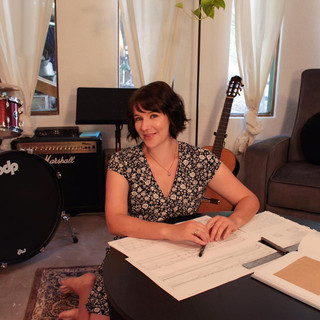
Art and mindfulness are two powerful tools that can transform our understanding of movement and harmony in our lives. By exploring the intersection of these disciplines, we can cultivate a deeper awareness of ourselves and our surroundings. This blog post will delve into how art and mindfulness can enhance our experience of movement, promote well-being, and foster a sense of connection with the world around us.
The Connection Between Art and Mindfulness
Art has long been a medium for expressing emotions, thoughts, and experiences. It allows individuals to communicate in ways that transcend words. Mindfulness, on the other hand, is the practice of being present and fully engaged in the moment. When combined, these two elements create a unique synergy that can lead to profound insights and personal growth.
Understanding Mindfulness
Mindfulness is the practice of paying attention to the present moment without judgment. It involves observing thoughts, feelings, and sensations as they arise, allowing individuals to cultivate a sense of awareness and acceptance. This practice can be applied in various aspects of life, including movement.
The Role of Art in Mindfulness
Art encourages us to engage our senses and immerse ourselves in the creative process. Whether painting, drawing, or sculpting, the act of creating art can be a form of mindfulness. It allows individuals to focus on the present moment, letting go of distractions and worries. This connection between art and mindfulness can enhance our understanding of movement, both in our bodies and in the world around us.
Exploring Movement Through Art
Movement is a fundamental aspect of life. It encompasses everything from the way we walk to how we express ourselves through dance or other forms of physical activity. By integrating art into our exploration of movement, we can gain new perspectives and insights.
The Dance of Life
Dance is one of the most expressive forms of movement. It combines rhythm, body awareness, and creativity. Engaging in dance can be a powerful way to connect with our bodies and emotions. It allows us to express ourselves freely and experience the joy of movement.
Benefits of Dance
Physical Health: Dance improves cardiovascular health, flexibility, and strength.
Emotional Well-being: It can reduce stress, anxiety, and depression.
Social Connection: Dance often involves group participation, fostering a sense of community.
Visual Arts and Movement
Visual arts, such as painting and sculpture, also provide opportunities to explore movement. Artists often depict movement through their work, capturing the essence of motion in a still medium. Observing and creating art can enhance our awareness of how movement manifests in various forms.
Engaging with Visual Arts
Observation: Take time to observe how artists represent movement in their work. Notice the lines, shapes, and colors that convey motion.
Creation: Experiment with creating your own art that reflects movement. Use dynamic brush strokes or sculptural forms that suggest action.

Mindfulness Practices to Enhance Movement
Incorporating mindfulness practices into our movement routines can deepen our connection to our bodies and enhance our overall experience. Here are some practical techniques to consider:
Mindful Walking
Walking is a simple yet powerful way to practice mindfulness. By focusing on each step and the sensations in your body, you can cultivate a greater awareness of movement.
Technique: Pay attention to the feeling of your feet touching the ground, the rhythm of your breath, and the sights and sounds around you.
Benefits: Mindful walking can reduce stress and improve mental clarity.
Yoga and Movement
Yoga combines physical movement with mindfulness, making it an excellent practice for exploring harmonic movement. It encourages body awareness, flexibility, and strength while promoting relaxation.
Practice: Engage in a yoga class or follow online tutorials that focus on mindful movement.
Benefits: Yoga enhances physical health, reduces stress, and fosters a sense of inner peace.
Creative Movement
Creative movement involves exploring movement without a specific goal or structure. It encourages spontaneity and self-expression.
Technique: Set aside time to move freely to music or in silence. Allow your body to guide you without judgment.
Benefits: This practice can enhance creativity, reduce inhibitions, and promote a sense of joy.
The Impact of Art and Mindfulness on Well-being
Integrating art and mindfulness into our lives can have a significant impact on our overall well-being. Here are some key benefits:
Enhanced Emotional Expression
Both art and mindfulness provide avenues for expressing emotions. Engaging in creative activities can help individuals process feelings and experiences, leading to greater emotional clarity.
Improved Focus and Concentration
Mindfulness practices enhance our ability to focus and concentrate. This improved attention can translate into various aspects of life, including work, relationships, and personal pursuits.
Greater Resilience
Art and mindfulness foster resilience by encouraging individuals to embrace challenges and uncertainties. By cultivating a mindful approach to life, we can develop a greater capacity to navigate difficulties.
Conclusion
Discovering harmonic movement through art and mindfulness is a journey that can lead to profound personal growth and well-being. By exploring the connections between these disciplines, we can enhance our understanding of movement, cultivate a deeper awareness of ourselves, and foster a sense of connection with the world around us.
As you embark on this journey, consider incorporating mindfulness practices into your daily routine and exploring the world of art. Whether through dance, visual arts, or mindful movement, the possibilities are endless. Embrace the beauty of movement and let it guide you toward a more harmonious life.


Comments